Where to Get Gambling Addiction Help: A Practical Guide to Recovery Resources
Many adults enjoy real‑money gambling as a form of entertainment, but the line between fun and compulsion can blur quickly. You can go to the site for a quick resource overview and begin taking control of your habits today.
Understanding the Scope of Problem Gambling
Gambling addiction qualifies as a behavioral disorder that affects millions worldwide, and New Zealand reports a steady rise in online participation. Players who frequent platforms such as EuroGrand Casino or Malina Casino often encounter high‑stakes slots, including Cop the Lot and Mighty Griffin Megaways from Inspired Entertainment. When you chase the thrill of a jackpot, you may ignore warning signs like sleepless nights, financial strain, or strained relationships. Recognizing those signs constitutes the first decisive step toward recovery.
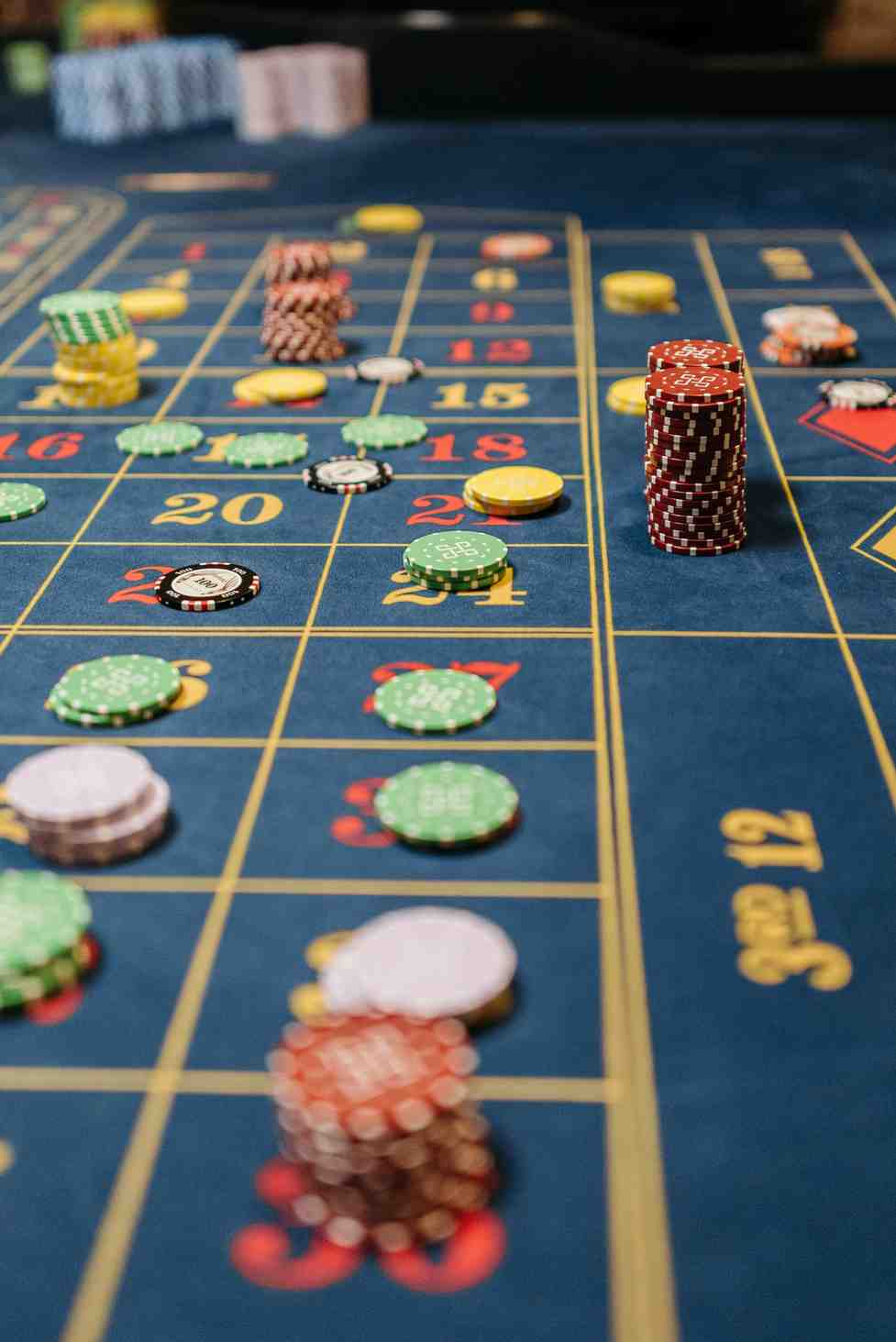
Immediate Steps to Take When Seeking Help
Self‑Exclusion Programs
Many operators, including BDMBet Casino, provide self‑exclusion tools that let you block your own account for a chosen period. Activate the feature through the account settings, then confirm the lock‑out via email. This action cuts off immediate access and gives you breathing room to assess your behavior.
Blocking Online Gambling Sites
Install reputable software like Net Nanny or use browser extensions that blacklist URLs. Add specific providers such as Woohoo Games—Viking’s Fun and Forest Fairies—and Gameburger Studios—Absolute Super Reels and Hyper Gold—to your block list. Once the filters engage, the browser prevents you from loading any gambling page, reducing the temptation to click “play now.”
Financial Controls
Freeze your credit cards through your bank’s online portal, set daily deposit caps on any remaining accounts, and ask a trusted friend or family member to oversee your spending. By delegating financial authority, you stop impulsive purchases of live casino experiences like Pragmatic Play Live’s Free Bet Blackjack or Seotda Baccarat.
Free and Confidential Helplines and Support Services
| Service Name | Type of Support | Availability | Contact Method | Special Notes |
| National Problem Gambling Helpline (1-800-GAMBLER) | Crisis counseling, referral | 24/7 | Phone, Text, Chat | Confidential, free |
| Gamblers Anonymous | Peer support meetings | Varies by location | In-person & online | 12‑step program |
| GamCare (UK) | Information, support, counseling | 24/7 helpline | Phone, Live Chat, Forum | Specializes in financial harm |
| Gambling Therapy | Online counseling | Global, 24/7 | Live Chat, Email | Multilingual support |
| National Council on Problem Gambling (NCPG) | Resource directory, advocacy | Business hours | Website, Helpline | Provides state‑by‑state resources |
Professional Therapy and Counseling Options
Cognitive Behavioral Therapy (CBT)
Therapists use CBT to pinpoint triggers such as the urge to spin Hyper Gold and replace compulsive urges with healthier coping mechanisms. You attend weekly sessions, complete homework worksheets, and track progress in a journal.
Inpatient and Outpatient Rehab Programs
When gambling dominates daily life, residential rehab centers offer a structured environment free from online temptations. Outpatient programs let you keep a job or study while meeting a therapist twice a week. Both routes require a commitment to attend all appointments and follow the treatment plan.
Financial Counseling
Non‑profit credit counselors evaluate your debt, negotiate payment plans with creditors, and teach budgeting skills that protect you from future overspending. You can locate a certified counselor through the Financial Counselling Association of New Zealand.
Building a Long‑Term Recovery Plan
Establishing a Support Network
Join local groups like Gamblers Anonymous or online forums where members discuss challenges with games such as Mighty Griffin Megaways or Forest Fairies. Sharing experiences reduces isolation and provides practical tips for staying accountable.
Finding Alternative Activities
Replace gambling sessions with hobbies that release dopamine in healthier ways—cycling, playing a musical instrument, or volunteering at a community garden. You’ll notice a gradual shift in how your brain rewards effort versus chance.
Monitoring Relapse Triggers
Maintain a daily journal that records stress levels, social situations, and any exposure to casino advertising. When you spot a pattern—like feeling bored after work—you can intervene early by calling a friend or using a mindfulness app.
Author
Saanvi Nair is an expert in game provider portfolios and software fairness, with over a decade of experience auditing online casino platforms for compliance and player protection.
FAQ
Question 1: What should I do if I have a sudden urge to gamble?
Immediately contact a trusted friend, use a self‑exclusion tool, or call a helpline to interrupt the impulse.
Question 2: Can I get help for gambling addiction without involving my family?
Yes, you can access confidential counseling and anonymous support groups that respect your privacy.
Question 3: Is it possible to recover from gambling addiction without quitting entirely?
Recovery usually requires strict limits or total abstinence; gradual reduction often leads to relapse.
Question 4: How do I know if I have a gambling problem or just a bad habit?
If gambling interferes with finances, relationships, or daily responsibilities, it has become a problem.
Question 5: Are there free resources available for people who can’t afford therapy?
Many helplines, online chat services, and peer‑support meetings provide free, confidential assistance.